
When Your Body Carries More Than Your Mind Realizes: Why Stress Shows Up as Pain in the Fall
As the warmth of summer gives way to crisp mornings and changing leaves, many of us look forward to everything autumn brings. Football games, school events, cooler weather, pumpkin spice, family traditions, and the anticipation of the holidays all create a sense of excitement.
Yet beneath the beauty of the season lies something less obvious.
For many people, September marks the beginning of one of the busiest and most emotionally demanding times of the year.
Parents are adapting to school schedules. Teachers are settling into classrooms. College students are navigating new routines. Businesses often ramp up after the slower summer months. Vacations are over, calendars fill quickly, and before long, we're planning Thanksgiving and Christmas.
While our calendars become busier, our bodies quietly begin carrying the weight of those responsibilities.
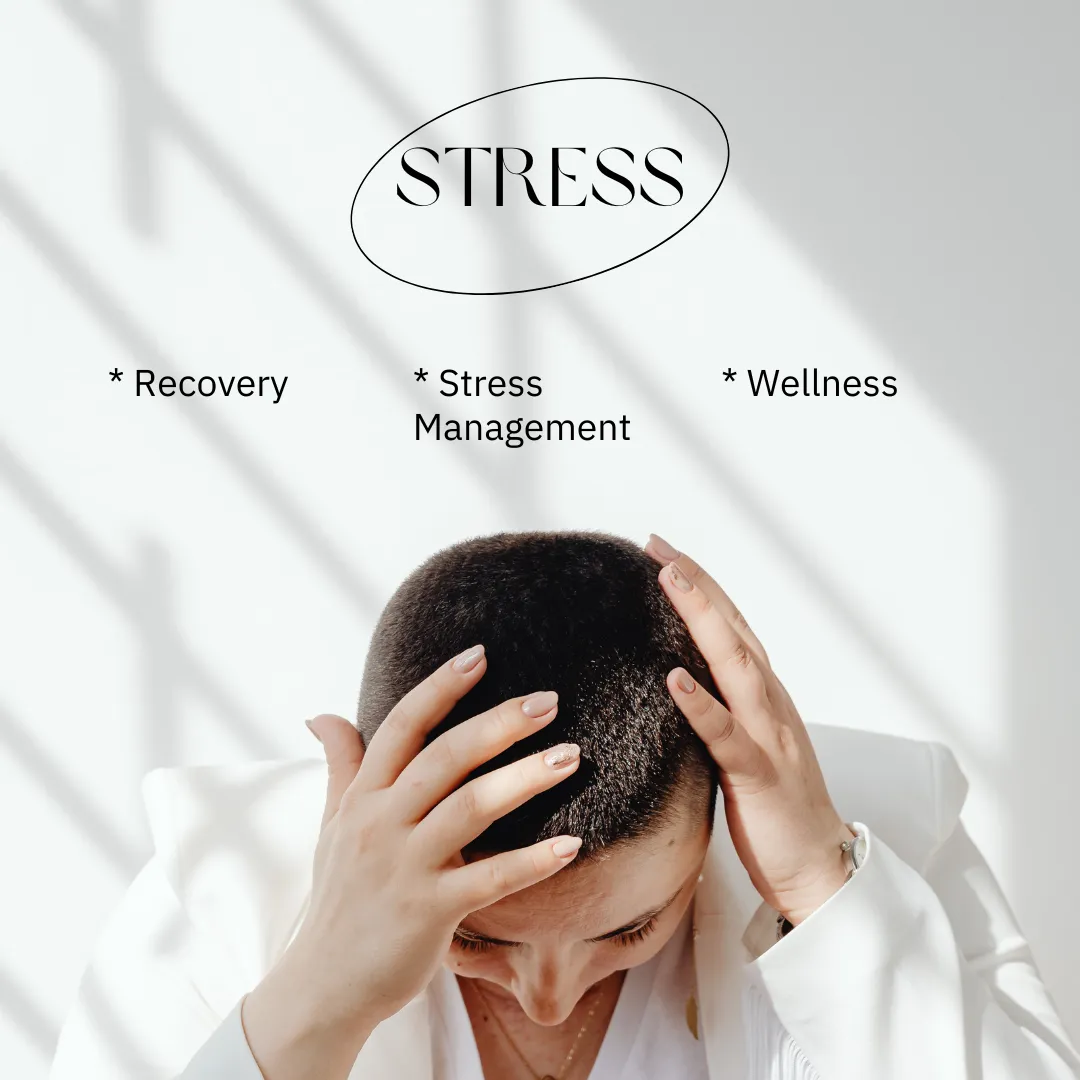
Many people don't realize they're stressed until their body tells them.
A stiff neck.
Tight shoulders.
Frequent headaches.
Low back discomfort.
Jaw pain from clenching.
Difficulty sleeping.
Feeling exhausted even after a full night's rest.
These aren't simply inconveniences. They're often your body's way of asking for attention.
At ANVIL Bodyworks, one of the most common conversations I have with clients this time of year begins with the same sentence:
"I don't know what's wrong... I just feel tight everywhere."
The truth is, there's usually nothing "wrong."
Your body is responding exactly the way it was designed to.
The question is whether we're listening.
Stress Doesn't Just Live in Your Mind
When we hear the word stress, most of us picture racing thoughts, worry, or feeling overwhelmed.
But stress is much more than an emotion.
It's a full-body experience.
Whenever your brain perceives a challenge—whether it's an approaching deadline, financial concerns, family responsibilities, or simply a packed schedule—it activates your autonomic nervous system.
This response is often called the fight-or-flight response.
Your body prepares itself for action by:
Increasing heart rate
Tightening muscles
Raising blood pressure
Changing breathing patterns
Releasing stress hormones like cortisol and adrenaline
Thousands of years ago, this response helped humans survive dangerous situations.
Today, the "threats" are much different.
Instead of escaping predators, we're rushing to school drop-offs, answering emails late into the evening, juggling work meetings, caring for aging parents, coaching youth sports, managing finances, and trying to keep everything together.
Our nervous systems often can't tell the difference.
The result?
Our muscles stay guarded far longer than they were ever designed to.
Where Stress Hides in the Body
Everyone carries stress differently.
Some people feel it immediately in their neck.
Others notice their shoulders creeping toward their ears after a difficult week.
Some wake with headaches from grinding their teeth overnight.
Others experience low back pain after sitting for long periods under constant pressure.
Here are some of the most common places stress tends to accumulate:
Neck and Shoulders
Perhaps the most recognizable location for stress-related tension.
Long hours at a computer, emotional strain, and shallow breathing often combine to create tight upper trapezius muscles and limited neck mobility.
Jaw
Many people clench or grind their teeth without realizing it.
This can contribute to jaw pain, headaches, facial discomfort, and even ear pain.
Lower Back
Stress affects posture.
When we're mentally overwhelmed, movement often decreases while muscle guarding increases.
The lower back frequently absorbs that extra tension.
Hips
The hips play an essential role in movement and stability.
Long periods of sitting combined with emotional stress can leave them feeling restricted and uncomfortable.
Breathing Muscles
One of the first things stress changes is how we breathe.
Many people begin breathing from their chest instead of their diaphragm.
Over time, this creates additional tension throughout the neck, ribs, shoulders, and upper back.
The Mind-Body Connection
September is National Suicide Prevention Month and National Recovery Month.
These observances remind us of something incredibly important:
Mental health and physical health are deeply connected.
While massage therapy is not a treatment for depression, anxiety, or other mental health conditions, it can be an important part of a comprehensive wellness plan.
Many people experiencing prolonged stress notice physical symptoms before they fully recognize the emotional toll.
Perhaps you've found yourself:
Feeling unusually fatigued
Losing motivation
Struggling to sleep
Becoming more irritable
Carrying constant muscle tension
Feeling like you can never fully relax
These experiences deserve attention—not judgment.
If you're struggling emotionally, reaching out to a trusted friend, family member, physician, or licensed mental health professional is one of the strongest steps you can take.
Healing is rarely something we're meant to do alone.
At the same time, supporting your physical well-being through healthy sleep habits, regular movement, meaningful relationships, mindful breathing, and therapeutic bodywork can help create an environment where your body feels safer and more resilient.
Why Personalized Bodywork Matters
One thing I tell clients often is this:
No two bodies carry stress the same way.
That's why no two sessions at ANVIL Bodyworks are identical.
Some clients need focused work to restore mobility after weeks of tension.
Others benefit from slower techniques that encourage the nervous system to shift out of a constant state of alertness.
Some arrive with chronic shoulder pain.
Others simply say,
"Everything feels tight."
Every session begins with listening.
Listening to your goals.
Listening to your history.
Listening to what your body is communicating through movement, posture, and muscle tension.
The objective isn't simply helping you feel better for an hour.
It's helping your body move more freely, recover more effectively, and leave with a greater sense of balance than when you arrived.
Five Ways to Support Your Body This Fall
Professional bodywork is only one piece of the puzzle.
Here are five simple habits that can make a meaningful difference this season.
1. Slow Your Breathing
Take five slow breaths several times throughout your day.
A longer exhale helps signal the nervous system that it's safe to relax.
2. Move Every Hour
If you spend much of your day sitting, stand up and move for even two or three minutes every hour.
Small movement prevents muscles from becoming overly guarded.
3. Prioritize Sleep
Recovery happens while we sleep.
Aim for a consistent bedtime whenever possible.
4. Stay Hydrated
Dehydration can contribute to muscle discomfort and fatigue.
Water supports healthy muscle function and overall recovery.
5. Listen Earlier
Don't wait until your body is shouting before responding.
Addressing tension early often prevents more significant discomfort later.
Recovery Is a Choice You Make Before You're Forced To
One of the biggest misconceptions about self-care is that it's something we do after we've reached our breaking point.
But true recovery is proactive.
It's choosing to care for your body before pain limits your movement.
Before stress steals your sleep.
Before exhaustion becomes burnout.
Your body works hard every single day to help you care for the people and responsibilities that matter most.
It deserves the same attention in return.
Final Thoughts
Autumn invites us to slow down, even as life often asks us to speed up.
The tension you feel isn't a sign of weakness.
It's information.
Your body is communicating with you the best way it knows how.
The question is whether you'll take time to listen.
Whether that means stretching before work, taking a quiet walk, scheduling time for recovery, talking with someone you trust, or seeking therapeutic bodywork, every small step matters.
At ANVIL Bodyworks, it is a privilege to walk alongside clients through every season of life—helping them move better, breathe deeper, and feel more at home in their own bodies.
As always...
Breathe. Smile. Keep moving forward.
Frequently Asked Questions
Can stress really cause muscle pain?
Yes. Stress can contribute to increased muscle tension, changes in breathing patterns, and nervous system activation, all of which may lead to discomfort, stiffness, and headaches.
Can massage therapy help with stress?
Massage therapy may help reduce muscle tension, encourage relaxation, and support overall well-being. It should be viewed as one part of a comprehensive health plan and is not a replacement for medical or mental health treatment.
Why do my shoulders tighten when I'm stressed?
Many people unconsciously elevate or tense their shoulders during periods of stress. Over time, this can contribute to muscle fatigue, stiffness, and discomfort.
Why is September so stressful?
For many people, September brings significant routine changes, including school schedules, increased workloads, extracurricular activities, and preparation for the holiday season. These transitions can increase both mental and physical stress.
How often should I receive therapeutic bodywork?
The ideal frequency depends on your goals, activity level, health history, and lifestyle. Chris works with each client to develop a schedule that best supports their recovery and wellness needs.